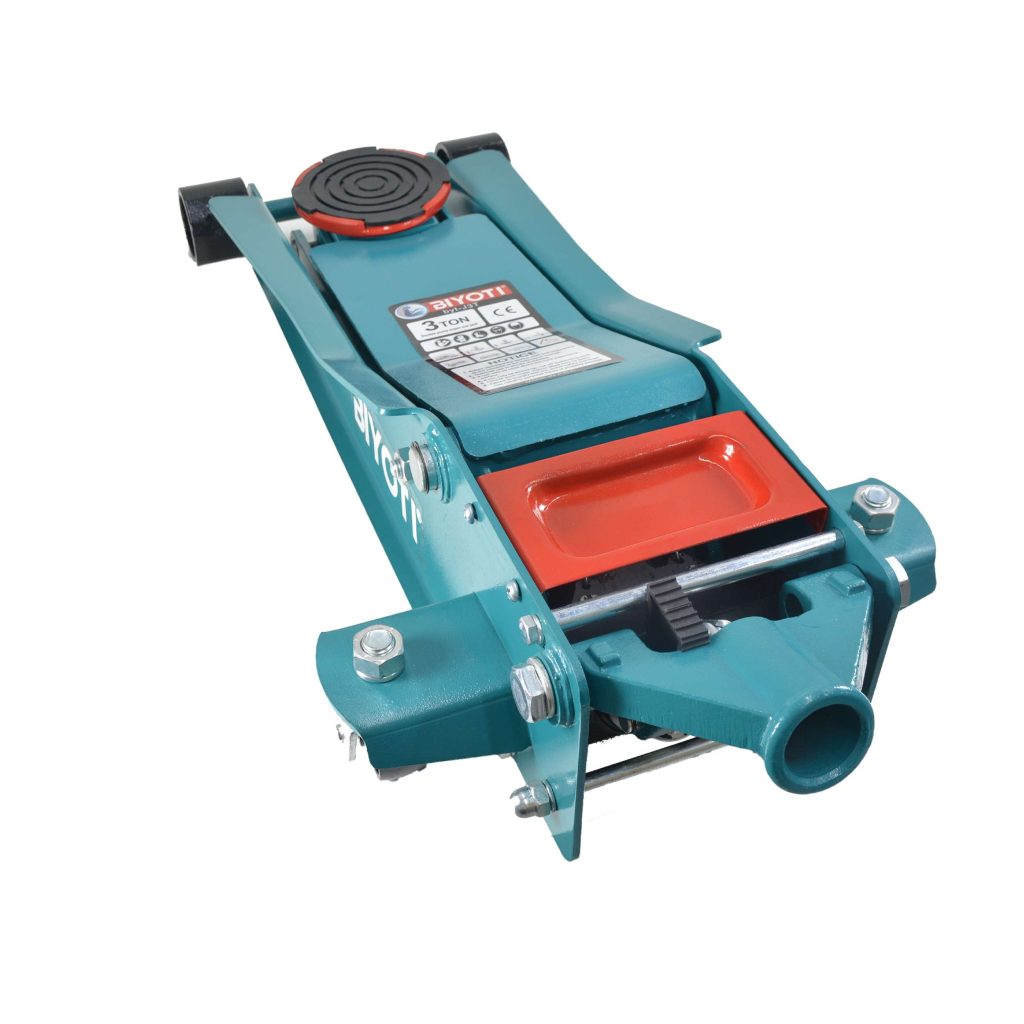
A hydraulic floor jack appears basic on the surface. You wheel it beneath the car, work the handle, elevate the saddle, and the vehicle ascends. Yet in an actual shop setting, secure raising hinges on various minor inspections: ground state, raising spot, load limit, wheel blocks, support stands, fluid state, and the ease of the release valve’s function.
This hydraulic floor jack safety guide outlines key knowledge for mechanics, shop managers, tire crews, and committed car owners prior to raising a car, SUV, truck, or small van. It further presents the BYT-J4T Hydraulic Floor Jack, a 4 ton hydraulic floor jack equipped with a dual pump mechanism, robust steel frame, strengthened base, broad saddle, easy wheels, and several safety layers for expert raising tasks.
Why Does Floor Jack Safety Matter Before Every Lift?
A floor jack functions as a raising tool, not a lasting prop. This stands as the primary guideline. After the vehicle rises, the weight must rest on suitable jack stands before persons labor under or beside the frame. Numerous incidents arise not from the jack’s inability to raise, but due to the vehicle shifting, the earth settling, an improper raising spot, or the user depending on the jack by itself.
Within a car fix facility, hazards grow because one jack might serve repeatedly each day. Tire changes, brake reviews, suspension fixes, oil tray services, and frame exams all require firm raising. Even a minor skip can result in equipment harm, vehicle frame injury, or grave harm.
Prior to raising, pose these three queries every time.
- Does the jack’s load limit fit the vehicle?
- Is the ground smooth, solid, and weight-supporting?
- Will jack stands hold the vehicle post-raising?
The BYT-J4T Hydraulic Floor Jack suits these challenging shop conditions. Its 4 ton load limit, toughened steel form, broad saddle, and accurate hydraulic mechanism aid in forming a steadier raising method when applied rightly alongside wheel blocks, parking brake, and jack stands.
What Should You Check Before Using a Hydraulic Floor Jack?
A secure raise commences before the jack contacts the vehicle. Spend one minute examining the equipment and workspace. Such a brief review proves quicker than handling a displaced saddle or shaky vehicle.
Check the rated capacity
Never surpass the jack’s load limit. The BYT-J4T carries a 4 Ton rating, matching 4000 kg. This renders it apt for numerous fix and tire tasks with weightier passenger cars, SUVs, trucks, and shop uses where a basic jack suffices not.
Check for oil leaks and damaged parts
Examine the hydraulic cylinder, release valve, wheels, saddle, handle port, and joint zones. Cease jack use if oil seeps, welds crack, components bend, wheels loosen, or motion seems irregular.
Check the hydraulic oil condition
Hydraulic oil influences raise pace, pressure retention, and even lowering. Scarce oil, soiled oil, or system air can lead to feeble raising or unsteady shifts. For ongoing application, inspect hydraulic oil frequently and swap it each six months.
Check the surface
Avoid raising on loose dirt, pebbles, tilted land, fractured cement, or damp bumpy floors. A floor jack demands a firm, even base so wheels can shift mildly as the raising arm ascends. Should wheels fail to shift as planned, lateral stress might accumulate.
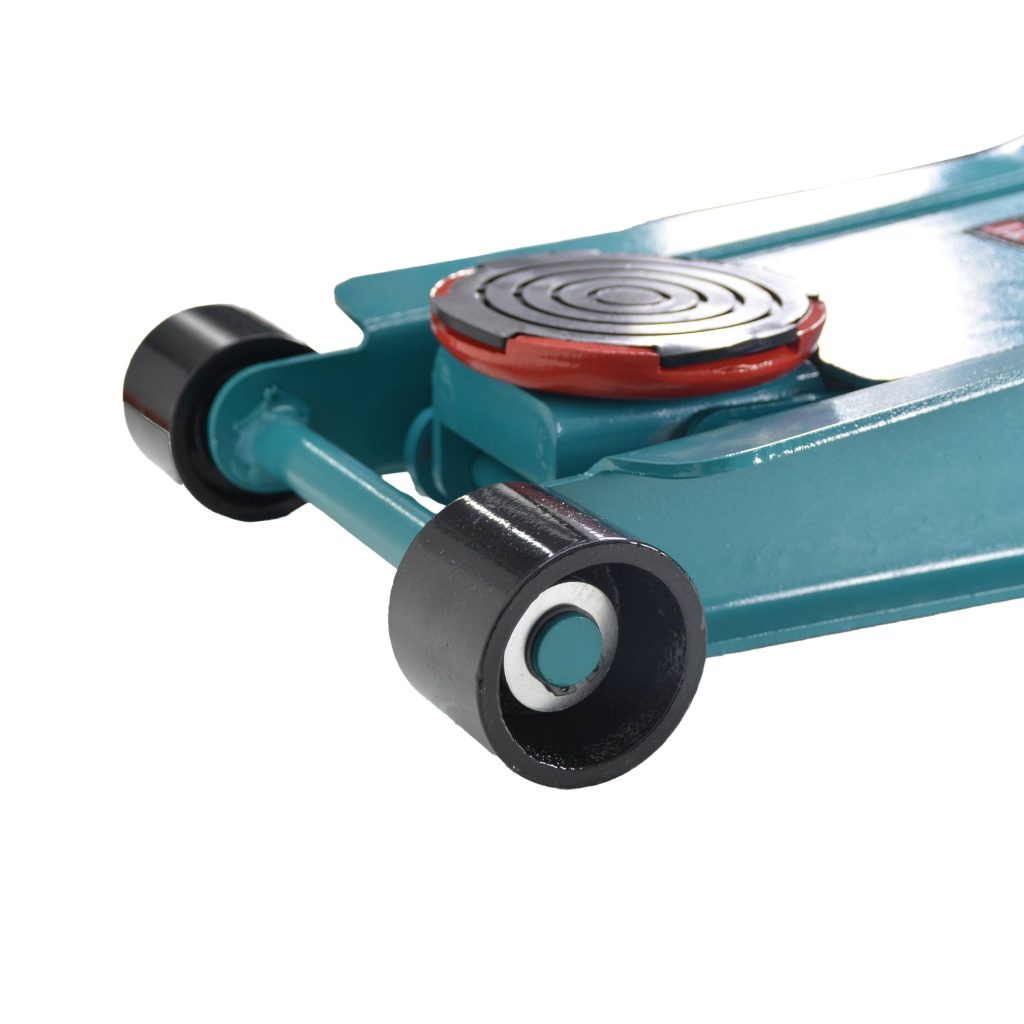
The BYT-J4T Hydraulic Floor Jack backs this pre-application habit with sturdy steel build, gliding wheels, and a user-friendly two-section long handle. These elements assist users in placing the jack more precisely and managing the raise with reduced effort.
How Do You Choose the Right Lifting Point?
The raising spot demands no speculation. It derives from the vehicle manual or designated factory raising sites. On numerous cars, these sites lie close to seam welds, underframe, cross bar, axle shell, or bolstered frame regions. Raising from a frail panel, oil tray, spring arm, plastic shield, or exhaust element can injure the vehicle and might prompt the saddle to slide.
Before operating the pump, position the saddle straight under the raising spot. Elevate it gradually until it merely touches the vehicle. Halt. Verify the saddle centers and the jack aligns upright. Merely then commence the chief raise.
Below rests a straightforward raising spot list.
| Check Item | Safe Practice | Risk If Ignored |
| Vehicle manual | Use approved lifting points | Body or chassis damage |
| Saddle position | Center the saddle under the load | Slipping or side loading |
| Jack direction | Keep the jack straight | Twisting during lift |
| First contact | Pump slowly and recheck | Wrong contact point |
| Load support | Add jack stands after lifting | Vehicle collapse risk |
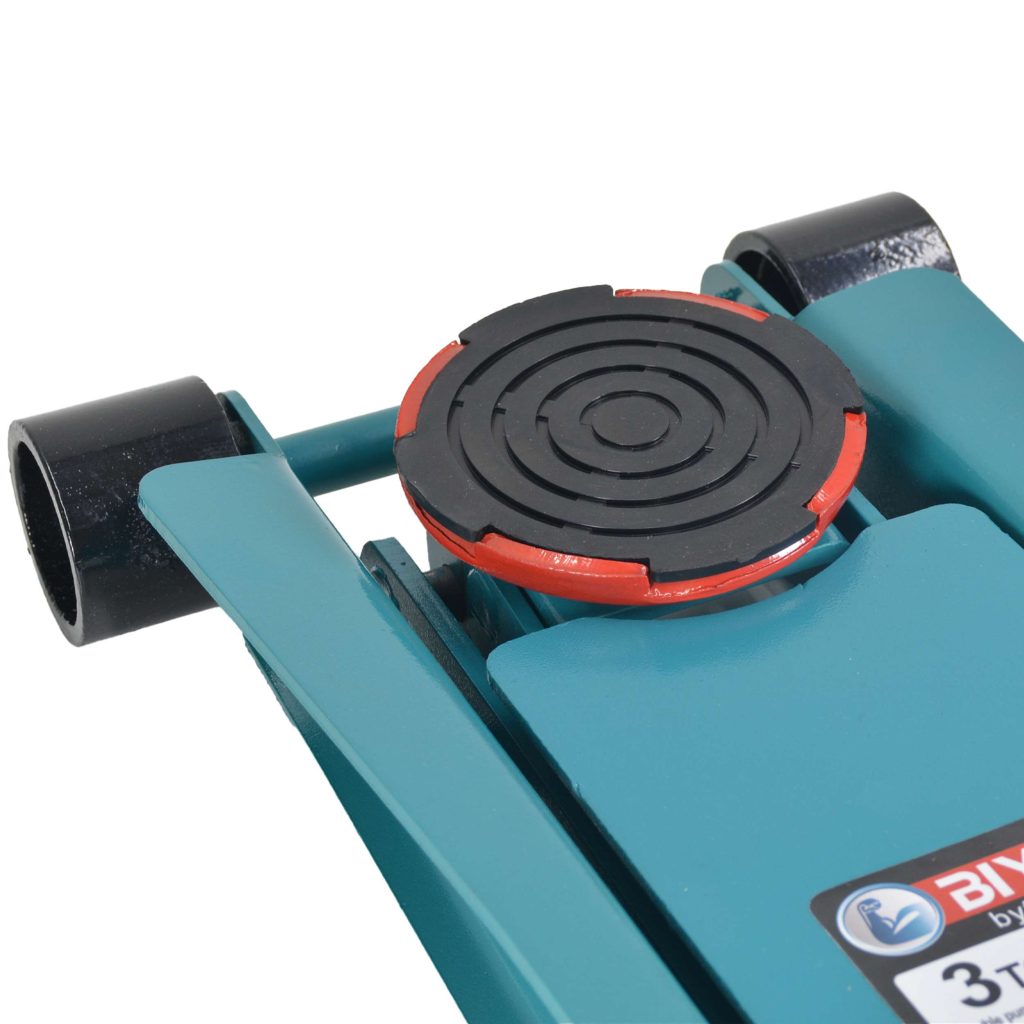
The BYT-J4T employs a broad saddle to enhance touch with sanctioned raising sites. Its dual pump hydraulic mechanism further aids the saddle in attaining the vehicle swifter from the base stance, granting mechanics superior command amid the initial touch phase.
How Should You Lift a Vehicle Step by Step?
Solid raising remains composed and directed. Hastening the method ranks among the simplest paths to render a secure tool hazardous.
Step 1: Park and secure the vehicle
Park upon a solid, even surface. Place the transmission in Park or gear for manual cars. Activate the parking brake. Set wheel chocks upon the wheels remaining grounded.
Step 2: Position the jack
Wheel the floor jack beneath the sanctioned raising site. Ensure the release valve closes. Refrain from excessive tightening. The handle ought to shift unbound without striking the bumper, body section, or shop tools.
Step 3: Pump to contact
Employ gradual pulls until the saddle meets the raising site. Pause and observe from the side. The saddle needs centering, and the vehicle must remain still.
Step 4: Lift to the needed height
Operate the pump with consistent, complete pulls. Avoid jiggling the handle or urging the vehicle. If the vehicle veers, descends, or slants, cease at once and descend it cautiously.
Step 5: Place jack stands
Once the vehicle attains the proper level, position rated jack stands beneath sanctioned prop sites. Descend the vehicle gradually onto the stands. The jack may linger near, yet it cannot serve as sole prop.
The BYT-J4T Hydraulic Floor Jack constructs for this phased method. Its 2 pump layout merges rapid initial raising with firmer high-pressure raising beneath weight, aiding in lessening idle pumping duration while maintaining the action even and guided.
Why Is a Double Pump Floor Jack Better for Workshop Speed?
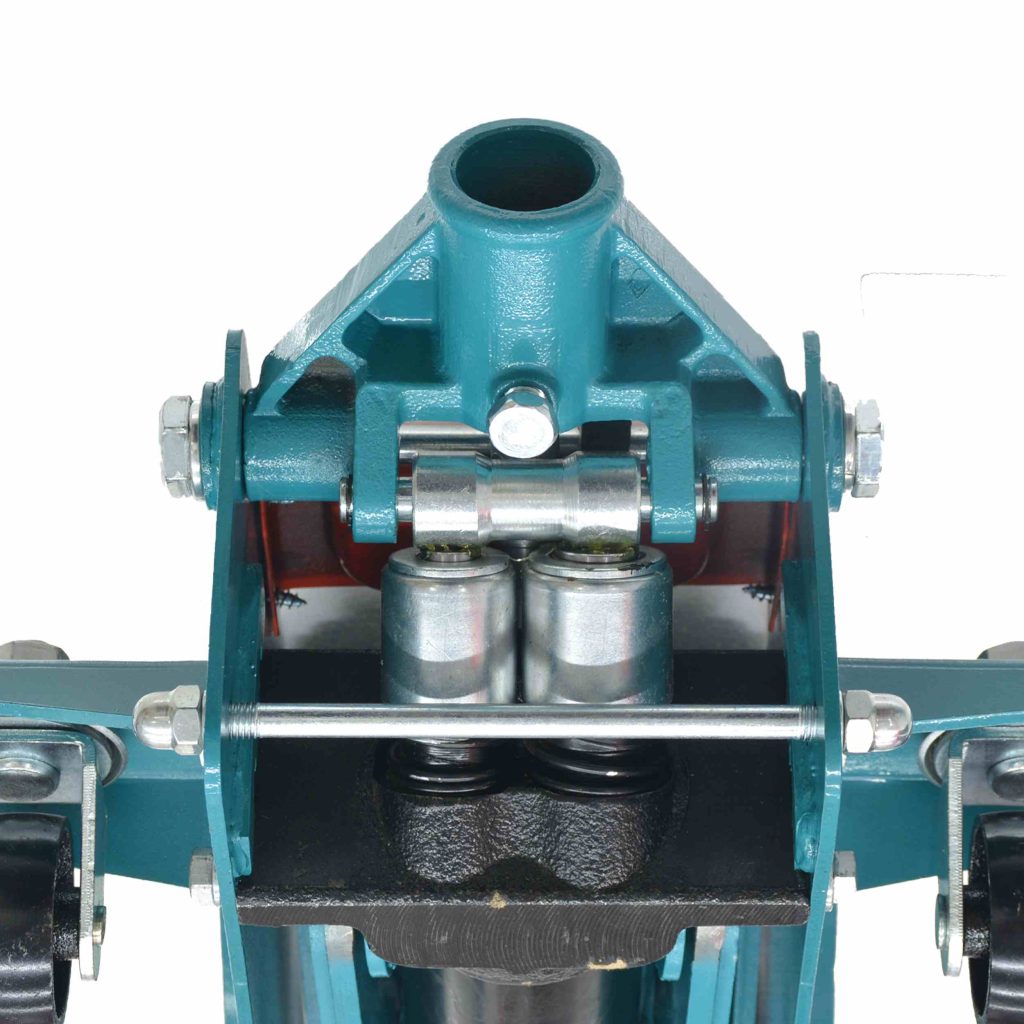
A standard single-pump jack may seem sluggish, particularly when the saddle begins distant below the vehicle. Users might require numerous handle pulls before the saddle arrives at the raising site. This squanders moments in tire outlets and fix zones where identical tasks recur throughout the day.
The BYT-J4T utilizes a fresh dual pump hydraulic mechanism. The ample-flow low-pressure pump shifts greater oil when the jack rests in the base stance, thus the saddle ascends promptly. As weight stress mounts, the compact-flow high-pressure pump supplies the power essential for substantial raising. The mechanism alters automatically per stress.
This layout can preserve roughly 30% to 50% raising duration versus usual single-pump layouts. Crucially, the inner valve set bolsters even alteration sans jolt, superior pressure retention, and extended utility span via enhanced weight spread.
For expert users, the BYT-J4T dual pump floor jack delivers a useful gain: reduced handle pulls, swifter tire aid, and diminished user weariness amid routine raising duties.
What Safety Rules Should Never Be Ignored?
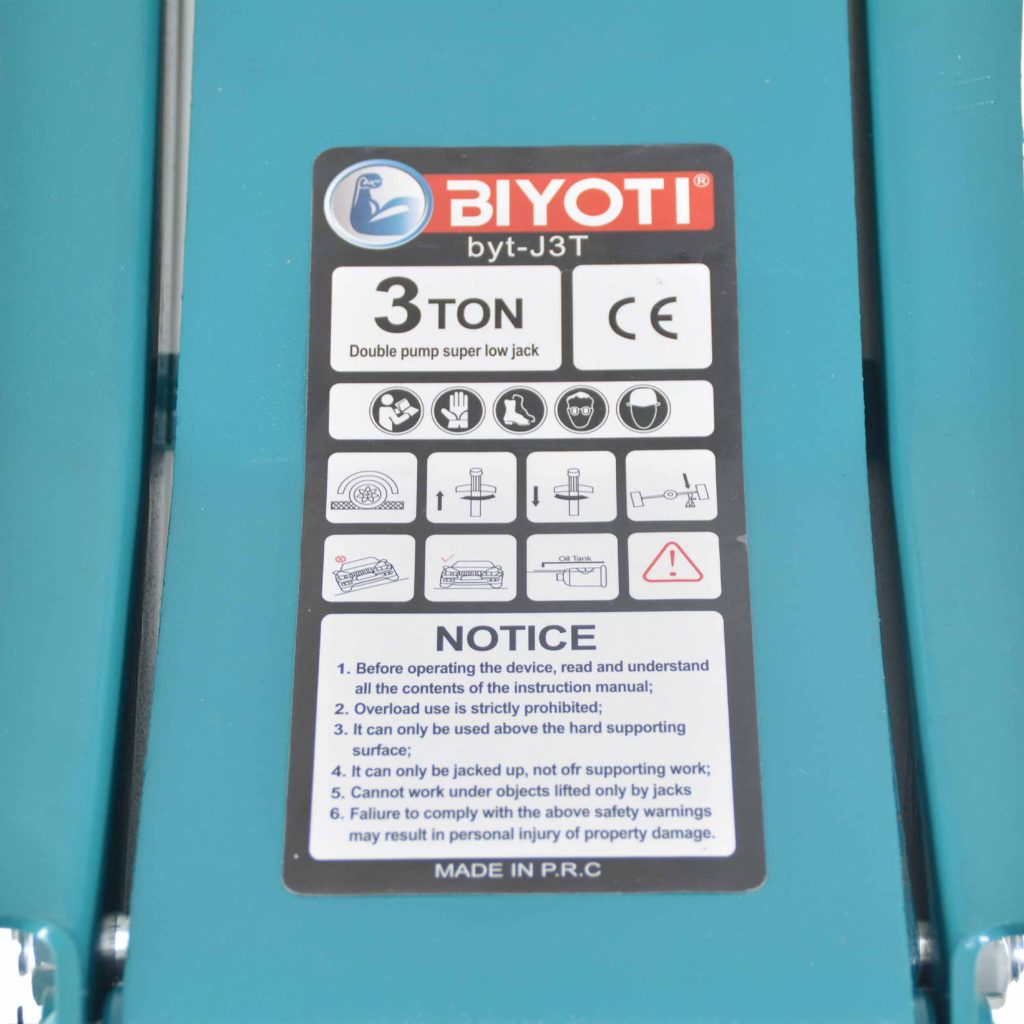
Certain guidelines lack flexibility. They pertain to garages, road aid, fleet upkeep, and home shops.
Never labor beneath a vehicle propped solely by a hydraulic jack. Employ jack stands invariably. Do not surpass the 4 ton load limit. Refrain from lateral stresses. Do not shift or urge the vehicle while atop the jack. Permit no one to remain within the vehicle during raising. Don safety footwear, gloves, and a protective helmet where shop policies demand it.
Moreover, monitor alert indicators during operation.
- The jack ascends gradually sans weight.
- The saddle descends independently.
- Oil emerges near the cylinder or valve.
- The handle senses unbound or unusual.
- The vehicle veers during raising.
- The release valve descends the weight overly swift.
Should any arise, cease jack operation and review it prior to the subsequent raise.
The BYT-J4T Hydraulic Floor Jack encompasses several safety shields, an overload safety relief valve, a pressure holding valve, a manual release valve, inner filters, and exact seals. These elements back securer raising, but apt application stays the user’s duty.
How Should You Lower the Vehicle Safely?
Descending proves as perilous as raising. Post-fix labor, remove all equipment, fasteners, drain trays, and limbs from vehicle underside. Verify no individual leans into the wheel cavity or extends beneath the frame.
Elevate the vehicle mildly to lift weight from jack stands. Withdraw the stands. Then rotate the release valve gradually. A rapid descent can jar the springs, injure components, or alarm adjacent staff.
Proper descending ought to sense even, firm, and foreseen. If the vehicle plummets excessively rapid, the release valve likely opened excessively. If it lurches or pauses, review the hydraulic mechanism before jack reuse.
The BYT-J4T equips a rotating manual release valve crafted for directed descent. This grants mechanics improved descending command when concluding tire alterations, brake exams, and underframe reviews.
How Do You Maintain a 4 Ton Hydraulic Floor Jack?
A floor jack labors intensely. Dust, oil, metal fragments, humidity, and routine weights all impact its utility duration. Upkeep requires no complexity, yet consistency proves essential.
| Maintenance Task | Recommended Practice |
| Before each use | Check leaks, cracks, wheels, saddle, and handle |
| After each use | Lower the jack completely and wipe it clean |
| Hydraulic oil | Check level and cleanliness regularly |
| Oil replacement | Replace hydraulic oil every six months |
| Storage | Store in a dry place with piston retracted |
| Abnormal use | Stop immediately if leakage or weak lifting appears |
Employ not brake fluid, motor oil, or blended oil within the hydraulic mechanism. Utilize fitting hydraulic jack oil. Maintain the piston spotless and evade storing the jack with ram prolonged, since bare metal succumbs easier to injury or rust.
The BYT-J4T Hydraulic Floor Jack assembles with inner filters and precise seals to lessen soiling and seep hazard. Routine upkeep aids these components in functioning as meant and sustains the jack prepared for expert application.
A Brief Introduction to BYT-J4T Hydraulic Floor Jack
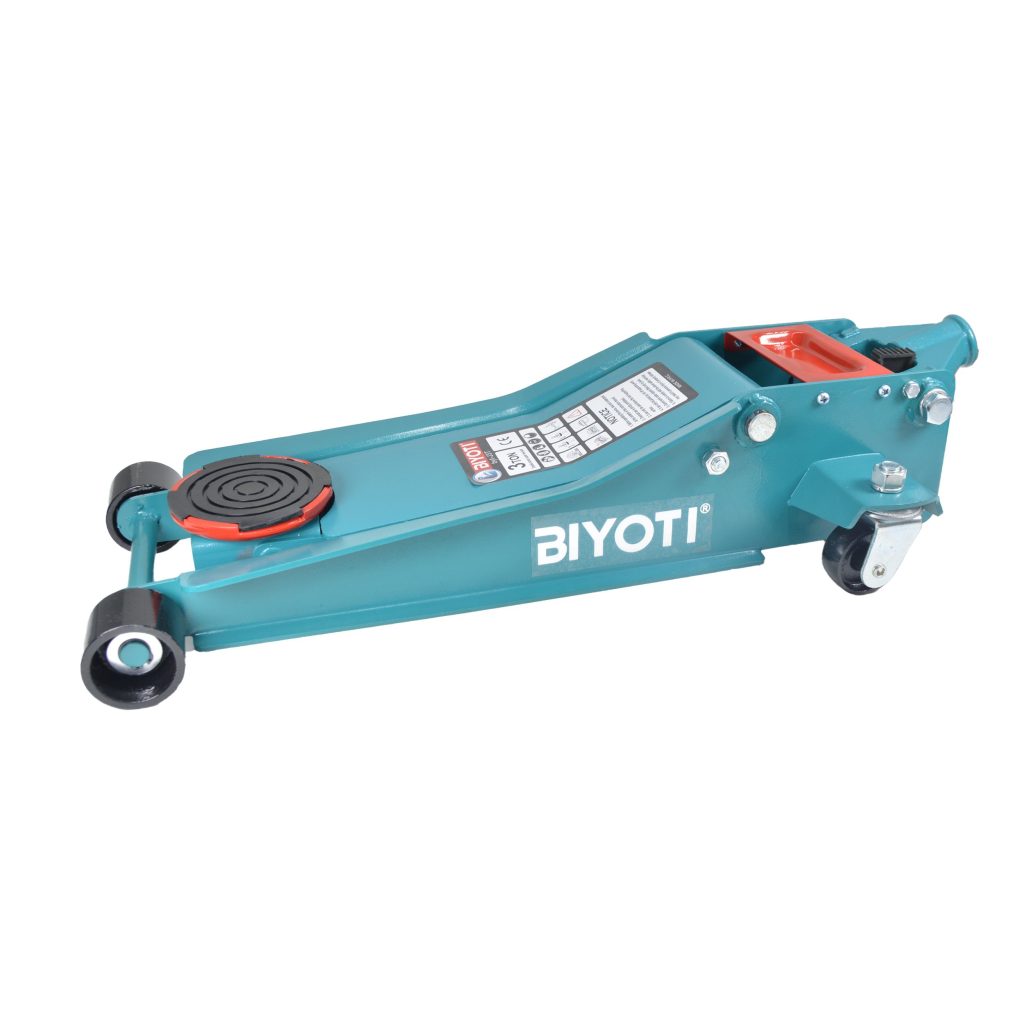
The BYT-J4T Hydraulic Floor Jack constitutes a pro 4 ton hydraulic floor jack for car fixes, tire aid, frame upkeep, and vehicle rescue duties. It merges a durable 4000 kg raising capacity with a dual pump hydraulic mechanism, combined exact valve set, robust steel frame, toughened base, broad saddle, two-section long handle, and gliding wheels.
Its inner valve set contains low-pressure and high-pressure oil paths, check valves, an automatic alteration relief valve, a pressure holding valve, a manual release valve, an overload safety relief valve, inner filters, and exact seals. For shops requiring swifter raising and reliable pressure retention, this framework positions the BYT-J4T as a sensible option.
Yongkang Jiakai Industry and Trade Co., Ltd. as a BYT-J4T Hydraulic Floor Jack Supplier
Yongkang Jiakai Industry and Trade Co., Ltd. acts as the production firm supporting BIYOTI, providing a broad array of tool items for pro and everyday markets. The firm’s item lineup spans power tools and linked shop answers, offering complete sourcing aid for international customers.
For purchasers seeking a BYT-J4T Hydraulic Floor Jack supplier, Yongkang Jiakai Industry and Trade Co., Ltd. extends benefits of production expertise, item variety breadth, and export-focused aid. Its emphasis on useful tools, seller backing, and prompt exchange renders it fitting for importers, sellers, fix tool traders, and garage gear purchasers who seek steady provision and distinct item aid.
Conclusion
Secure vehicle raising concerns not mere power. It relies upon the correct jack, apt surface, proper raising spot, cautious handling, and fitting prop stands. A 4 ton hydraulic floor jack ought to raise swiftly, retain pressure aptly, descend evenly, and persist steady beneath standard shop application.
The BYT-J4T Hydraulic Floor Jack aligns with these demands via its dual pump mechanism, robust steel form, toughened base, broad saddle, exact valve set, and safety shield layout. For car fix outlets, tire aid hubs, mobile fix groups, and tool sellers, it furnishes a firm equilibrium of pace, raising strength, and pro practicality.
FAQs
What is the lifting capacity of the BYT-J4T Hydraulic Floor Jack?
The BYT-J4T Hydraulic Floor Jack possesses a 4 ton raising capacity, equivalent to 4000 kg. It crafts for pro car fixes, tire aid, frame upkeep, and vehicle rescue labor.
Can I work under a vehicle supported only by a hydraulic floor jack?
No. A hydraulic floor jack serves solely for raising and descending. Post-raising, the vehicle requires propping with duly rated jack stands before any labors beneath it.
Why choose a double pump hydraulic floor jack?
A double pump hydraulic floor jack raises swifter in the base stance and furnishes robust power beneath weight. The BYT-J4T applies a 2 pump mechanism that can diminish raising duration and render daily shop tasks more productive.
How often should hydraulic jack oil be replaced?
For the BYT-J4T Hydraulic Floor Jack, hydraulic oil warrants replacement every six months. Users ought also to inspect oil level and purity prior to application.
Where is the BYT-J4T Hydraulic Floor Jack commonly used?
It applies commonly in car fix outlets, tire aid hubs, frame upkeep labor, garage gear provision, and vehicle rescue scenarios where a durable 4 ton hydraulic floor jack proves necessary.