A cordless impact wrench speeds up tire changes, but wheel hardware leaves little room for careless technique. Use impact power mainly for removal, start each lug nut by hand, and finish with a calibrated torque wrench. This guide shows how to use an impact wrench without damaging wheel studs.
Why Impact Wrenches Damage Wheel Studs
A lug nut creates clamping force by stretching the wheel stud slightly. Too much torque can stretch it beyond its working range.
Over-Torque Is Not Extra Safety
An impact wrench delivers repeated hammer blows, not measured force. It breaks seized fasteners well but cannot confirm proper lug nut torque. Many passenger vehicles specify roughly 90–120 N·m, though the owner’s manual takes priority.
Wheel stud damage from impact wrench misuse may include:
- stretched studs that later fatigue or snap;
- stripped threads or broken lug nuts;
- distorted wheel seats or brake rotors;
- fasteners that resist roadside removal.
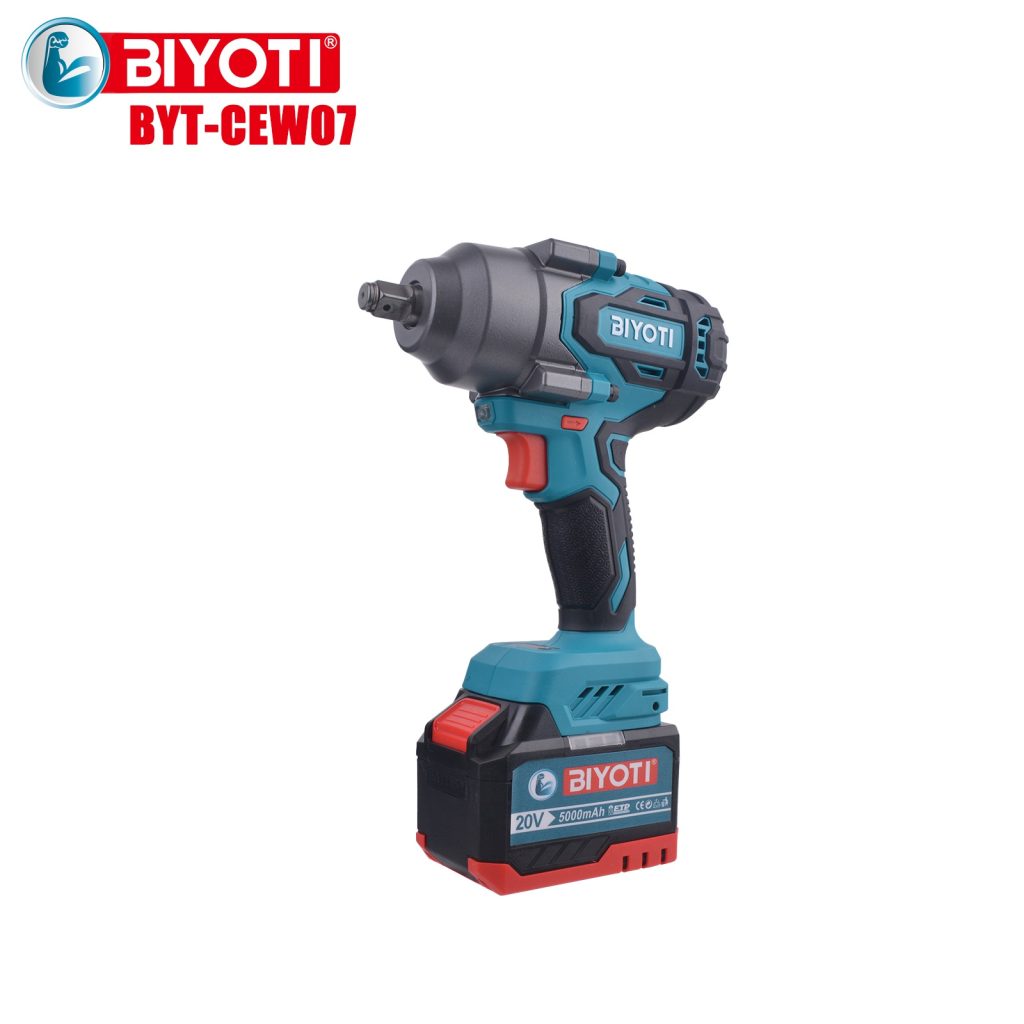
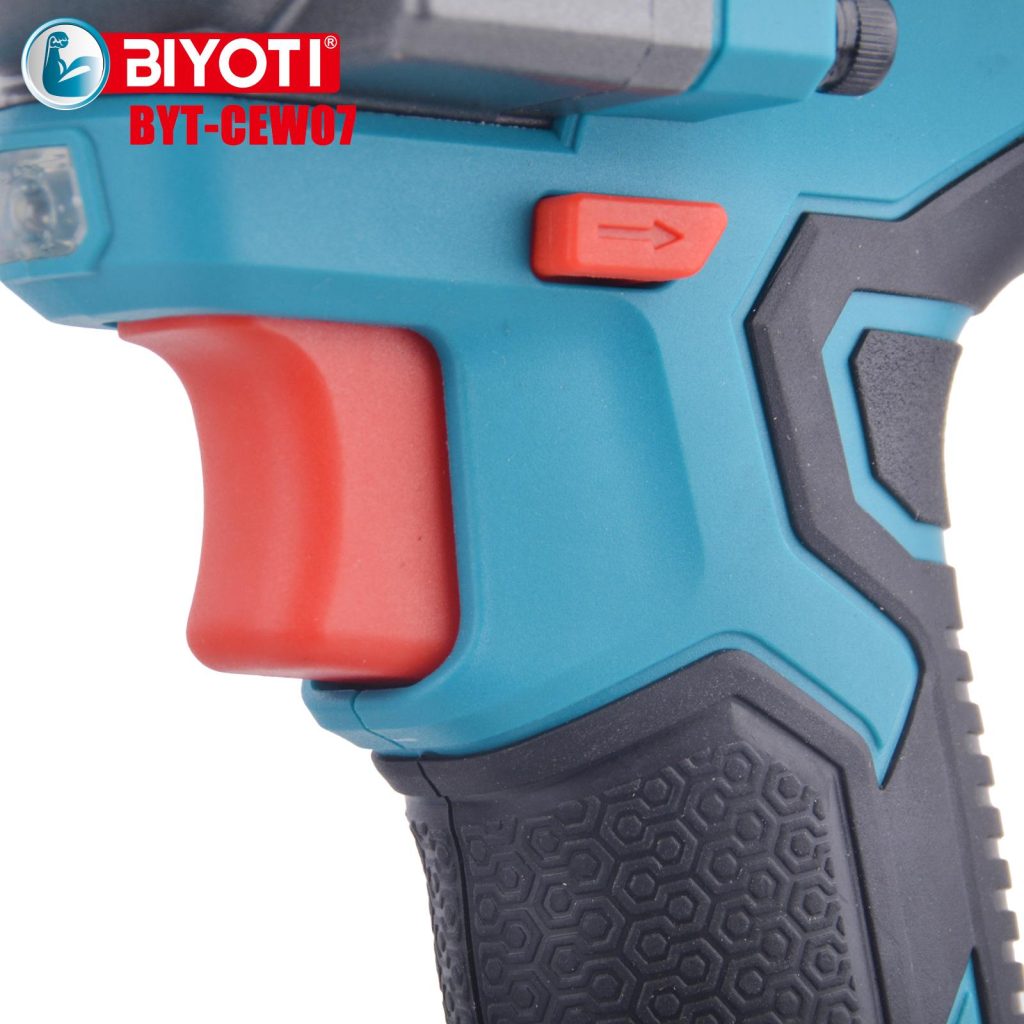
The BYT-CEW07 Impact Wrench produces up to 800 N·m. That force is most useful during removal; short trigger pulls are safer near the wheel.
Prepare the Vehicle and Tool
Park on firm ground, apply the parking brake, use the correct lifting points, and wear eye protection. Check studs and nuts for damaged threads, rust, or binding.
Use the Right Socket
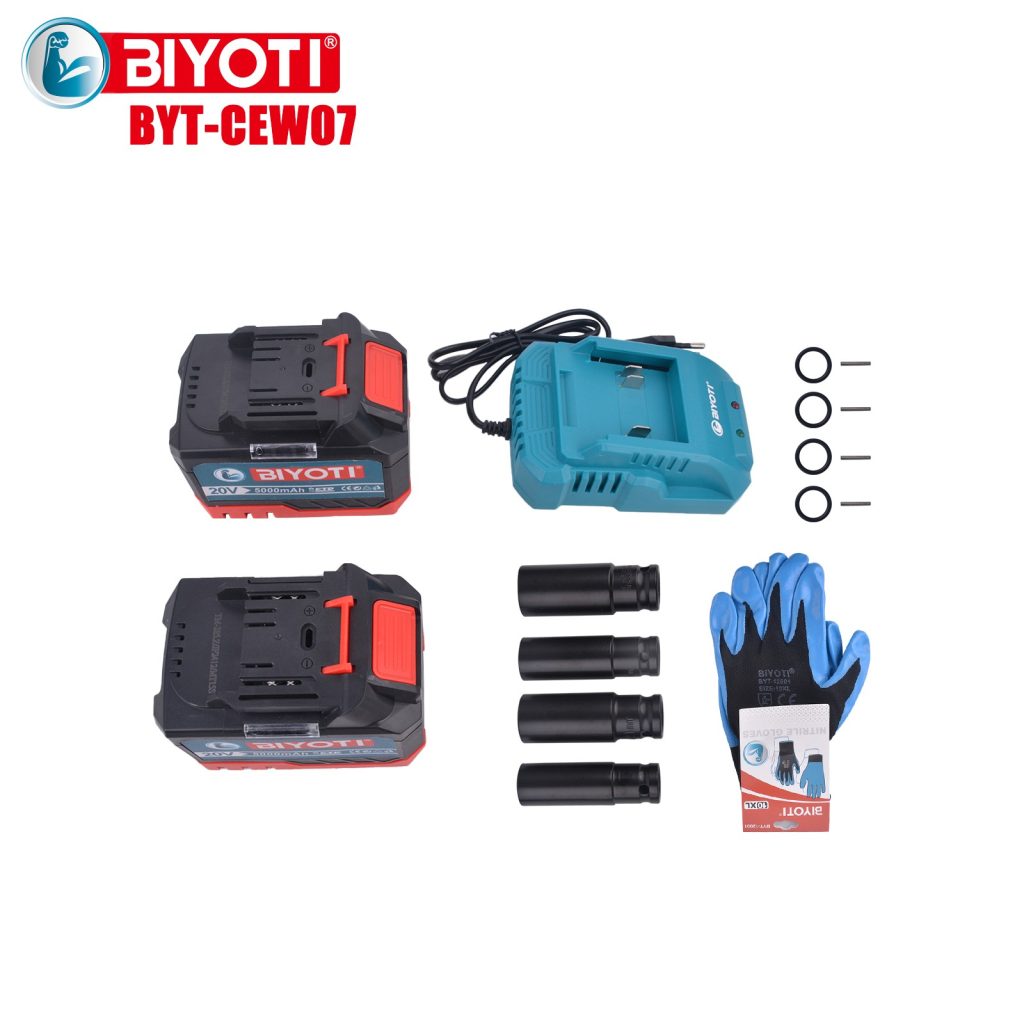
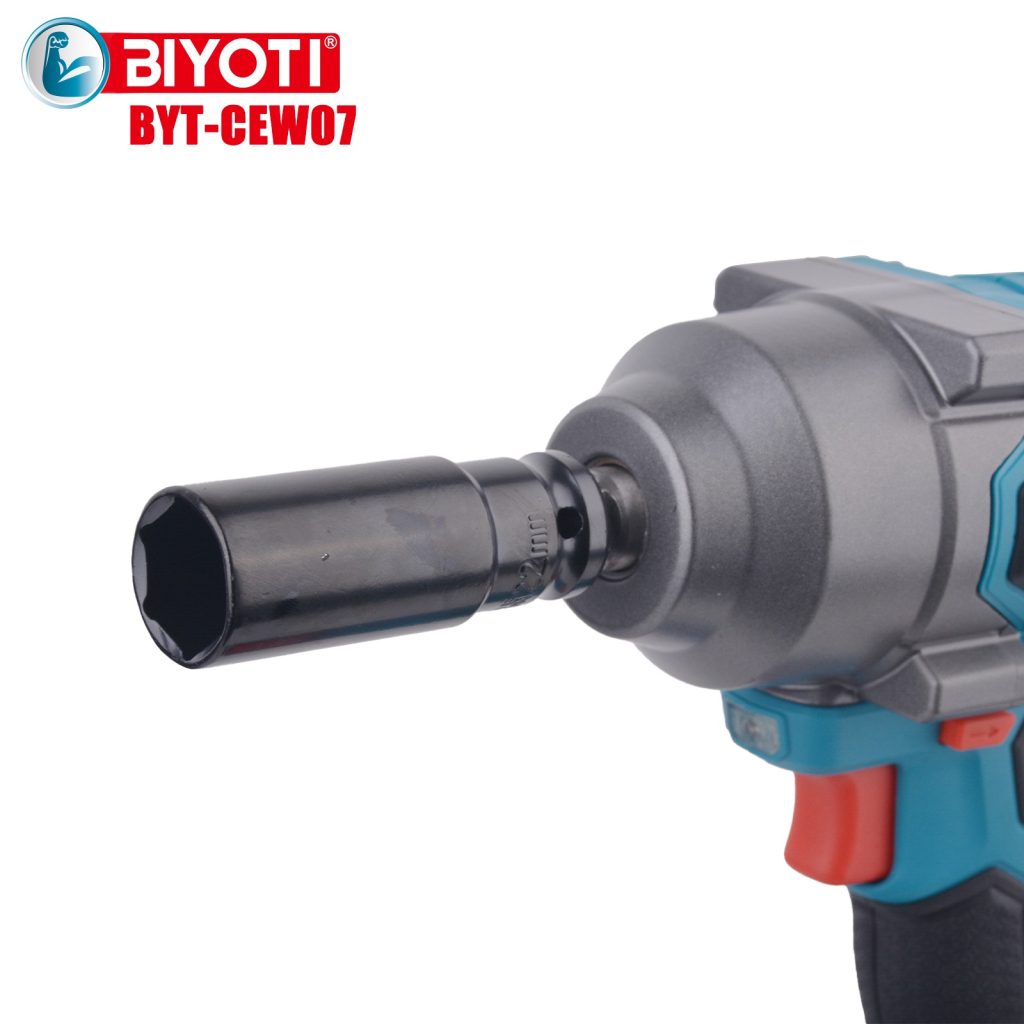
Choose a fully fitting impact-rated socket. A loose socket can round the nut, while a standard chrome socket may crack. Seat it squarely and confirm retention.
Keep Threads Clean and Dry
Brush dirt and loose corrosion from the studs, nuts, wheel seat, and hub face. Keep studs dry unless the vehicle maker says otherwise; lubrication changes friction and clamping force.
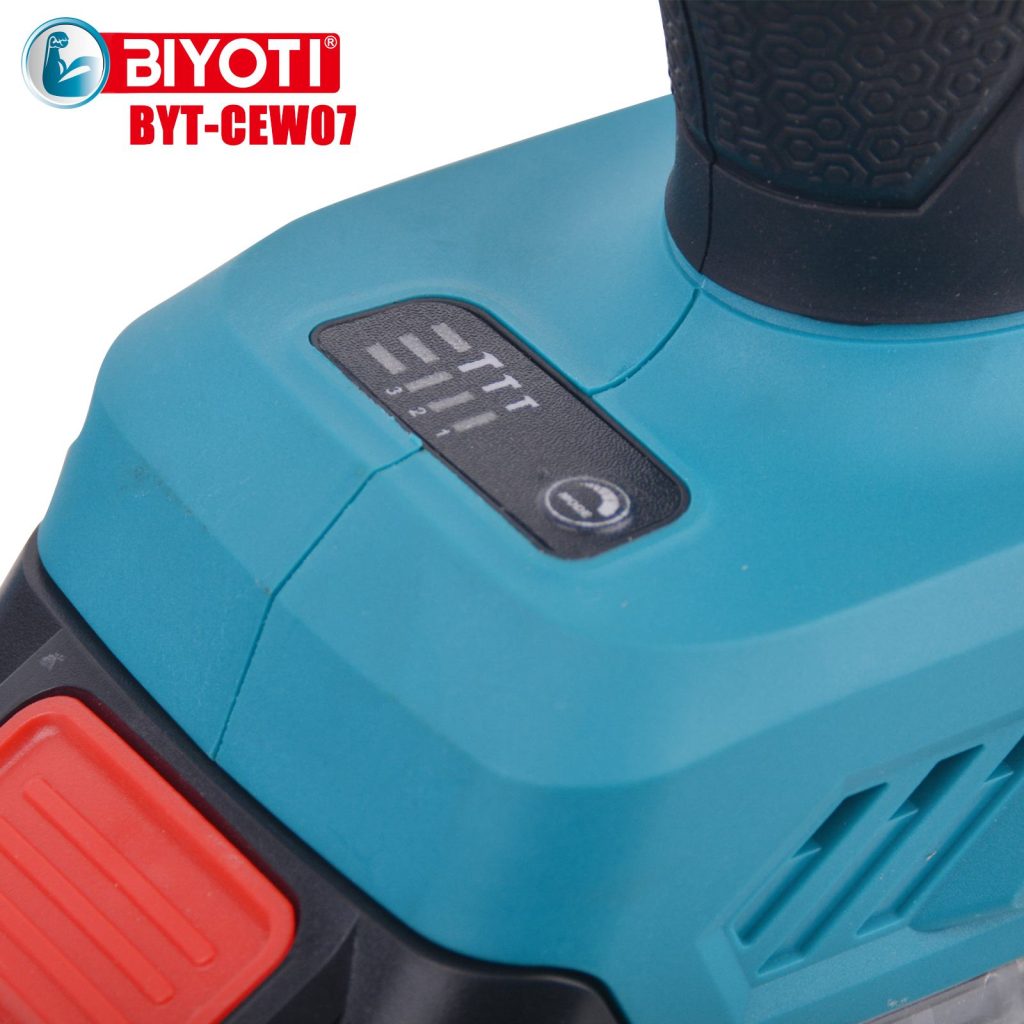
For a cordless impact wrench for tire changes, the BYT-CEW07 combines 0–2800 r/min variable speed with M8–M34 fastener coverage. That range supports controlled work when the socket and procedure match the vehicle.
Remove Lug Nuts Safely
Removal is where impact power saves the most time. Avoid hammering one fastener too long.
Loosen Before Lifting
With the tire touching the ground, loosen each nut about half a turn in a star pattern. Then raise, support, and remove the wheel correctly.
For anyone asking how to remove lug nuts safely:
- Place the socket straight over the nut.
- Select reverse and use a controlled trigger pull.
- Release the trigger when the nut breaks free.
- Move to the opposite nut in the star pattern.
- Stop if the socket slips or the stud turns.
Use Short Bursts on Rust
To loosen rusted lug nuts, avoid continuous trigger pressure. Apply penetrating fluid where appropriate, wait, then use short bursts. If the nut stays stuck, inspect it and switch methods.
The BYT-CEW07 offers up to 0–3400 impacts per minute and 800 N·m maximum torque. Variable speed lets the operator start gently and add output only when needed.
Install Lug Nuts Without Cross-Threading
Most preventable stud damage happens during installation. The nut must enter the thread path smoothly before powered contact.
Start Every Nut by Hand
To prevent cross-threading lug nuts, hold the wheel flat and turn each nut by hand for three to five full turns. It should spin smoothly. Resistance or wobbling means stop, inspect, and restart.
Never place a nut on the stud and immediately pull the trigger; impact force can hide misaligned threads.
Snug Lightly, Then Measure
Can you tighten lug nuts with an impact wrench? You may use the lowest practical speed for a brief snug after hand-threading, but not for final torque. Lower the vehicle until the tire is stable, set a calibrated torque wrench to the vehicle specification, and tighten in a star pattern over two or three passes.
| Service stage | Recommended tool | Key action |
| Break loose | Impact wrench | Short reverse bursts |
| Start threads | Fingers | Three to five turns |
| Light snug | Hand tool or low-speed impact | Stop at wheel contact |
| Final tightening | Torque wrench | Follow manual and star pattern |
The BYT-CEW07’s variable speed is useful for light seating, yet its 800 N·m capacity demands restraint. Let it save time, then let a torque wrench deliver the measured finish.
Avoid Common Wheel-Service Mistakes
A repeatable routine matters more than “feel.” Battery charge, socket mass, and thread condition make sound-based guesswork unreliable.
Follow the Star Pattern
Star pattern lug nut tightening spreads clamping force. Move to the nearly opposite nut and make two or three gradual passes.
Recheck After the Wheel Settles
When to re-torque lug nuts after wheel change depends on vehicle guidance. A practical check is after roughly 50–100 km, especially with newly installed wheels. Recheck with the torque wrench, not the impact wrench.
The best impact wrench setting for lug nuts is not one universal number. With the BYT-CEW07, begin at low speed, use short bursts, and reserve maximum output for removal resistance. Its M8–M34 range is useful without treating every fastener as an 800 N·m job.
The BYT-CEW07 Impact Wrench is a lithium-powered cordless tool for demanding removal and fastening work. It provides 800 N·m maximum torque, 0–2800 r/min no-load speed, 0–3400 BPM, and M8–M34 fastener compatibility. For wheel service, it offers fast removal and flexible trigger control, while final tightening remains a torque-wrench task.
Yongkang Jiakai Industry and Trade Co., Ltd. as a Supplier
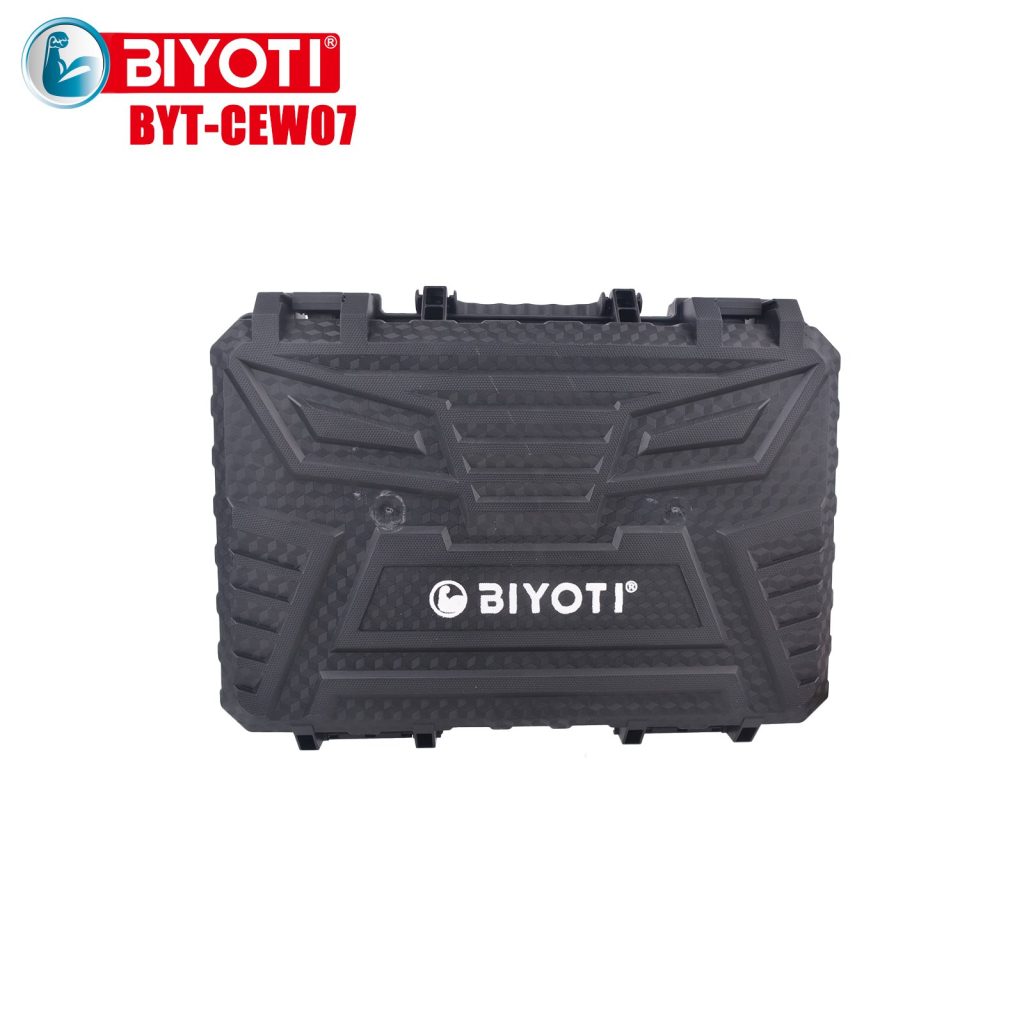
Img.BYT-CEW07 Impact Wrench Box.webp
Yongkang Jiakai Industry and Trade Co., Ltd., based in Yongkang, Zhejiang Province, manufactures power tools, including drills, angle grinders, and cordless equipment. Its products are marketed in Europe, America, Southeast Asia, and other regions.
Distributors and workshops need clear product information, inquiry support, stable categories, and accessible communication. The company’s website provides product, contact, support, and news channels.
The BYT-CEW07 strengthens that portfolio with 800 N·m maximum torque, M8–M34 coverage, variable speed, and a cordless format suited to mobile repair, workshop maintenance, and equipment service.
Conclusion
Learning how to avoid over-tightening lug nuts comes down to tool discipline. Use impact power for removal. Clean the hardware. Hand-thread each nut three to five turns. Snug lightly in a star pattern, then apply proper lug nut torque with a calibrated torque wrench. Recheck after the wheel settles.
This separation of tasks also makes training easier: technicians know when speed matters, when hand feel matters, and when measured torque matters, reducing rework during seasonal tire changes, roadside service, and busy workshop maintenance work orders.
Used this way, the BYT-CEW07 Impact Wrench becomes a fast removal tool rather than a source of damaged studs. Its 800 N·m output handles resistance, while 0–2800 r/min control supports a careful workflow.
FAQs
Can an impact wrench replace a torque wrench for wheel nuts?
No. An impact wrench cannot confirm exact clamping torque. Use it for removal or light seating, then finish with a calibrated torque wrench set to the vehicle manual.
How many turns should I hand-thread lug nuts?
Turn each nut at least three to five full turns by hand. Smooth movement shows alignment; early resistance may signal cross-threading or damaged hardware.
Should wheel studs be lubricated?
Normally, studs and lug seats should stay clean and dry unless the vehicle maker states otherwise. Lubrication can change friction and cause excessive clamping force.
Is the BYT-CEW07 suitable for stubborn lug nuts?
Yes. The BYT-CEW07 delivers up to 800 N·m and 0–3400 BPM for high-resistance removal. Use an impact-rated socket, short bursts, and a torque wrench for final installation.