A cordless drill can lose power little by little. The trigger still works fine. Yet holes take more time. The chuck may slip. The battery can die halfway through a job. Often the motor is not broken. Heat, dust, dull bits, bad charging habits, and damp storage quietly raise the load on the tool.
A simple cordless drill maintenance routine keeps torque strong. It also protects battery runtime and safe handling. This guide shares practical cordless drill battery care for workshops, installers, maintenance crews, and home users. It also shows how these habits help the BYT-CD1016 / CD1016C Cordless Drill. That tool is a 20V brushless model made for screwdriving, drilling, and impact drilling.
Why Cordless Drill Maintenance Matters
Maintenance works best when it focuses on the real sources of wear. Small problems build up over time. They make the drill work harder than it should. Good habits stop that early.
Heat, Dust, and Resistance
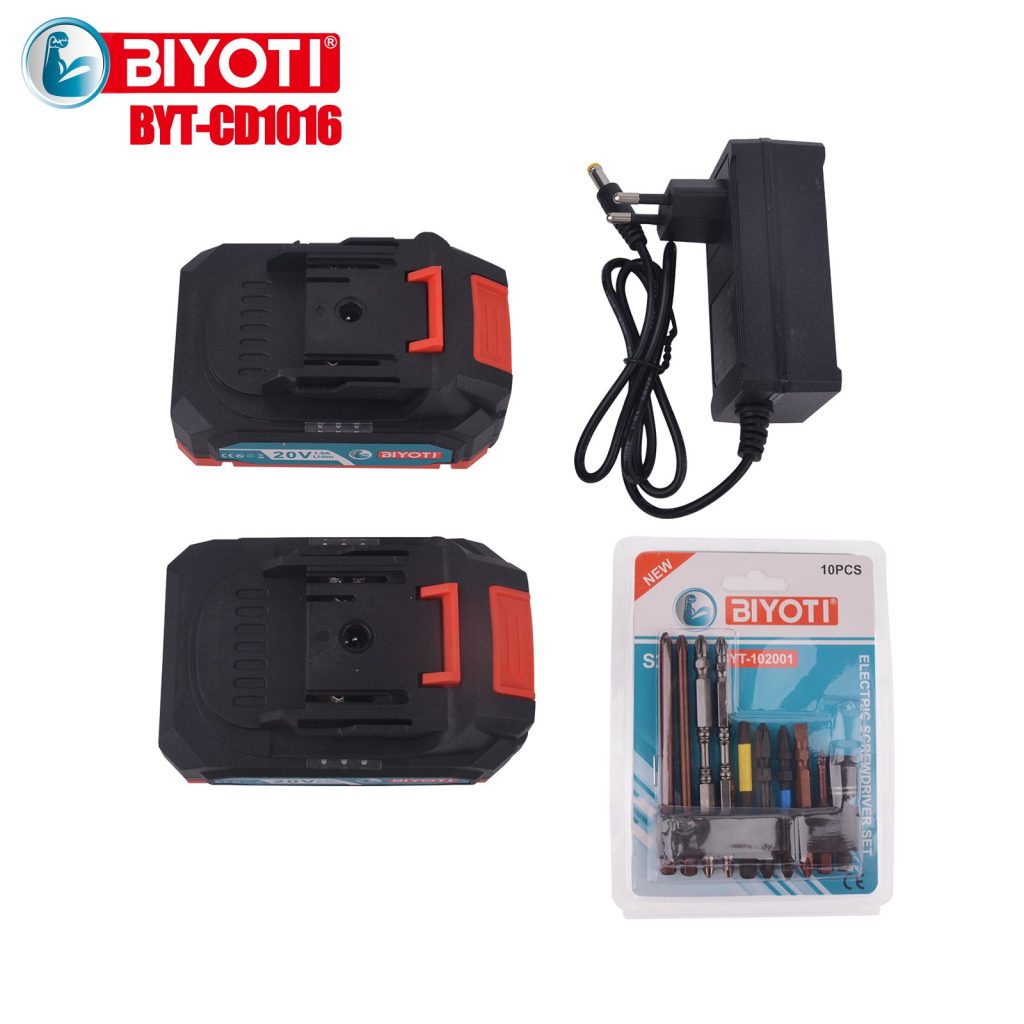
Dust around the cooling vents cuts airflow. A blunt bit or the wrong speed adds extra resistance. The motor then pushes harder. The battery sends more current. The housing gets hot faster. Warning signs show up clearly. You may feel odd vibration. Drilling slows down. The battery feels hot. A burning smell appears. Or the chuck grips the bit unevenly.
Stop as soon as performance changes. Take out the battery. Let the tool cool down. Then check the bit, the vents, and the chuck. Forcing one more hole can turn a small cleaning issue into real downtime. That wastes time and money on any job site.
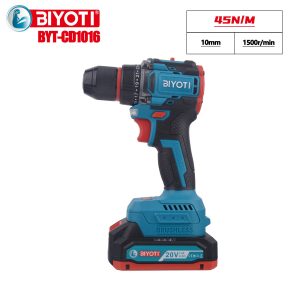
The BYT-CD1016 / CD1016C Cordless Drill delivers up to 45 N·m torque and 1,500 r/min. Clear vents and the right settings help that power reach the bit. Less energy is lost through heat, dust, or slip. The brushless motor stays efficient when airflow stays open.
Many users ignore dust until the tool feels weak. Yet a quick wipe after each dusty job prevents most heat build-up. Wood dust, drywall powder, and masonry grit all clog vents the same way. Regular care keeps the motor cooler and the battery happier.
Cordless Drill Battery Care
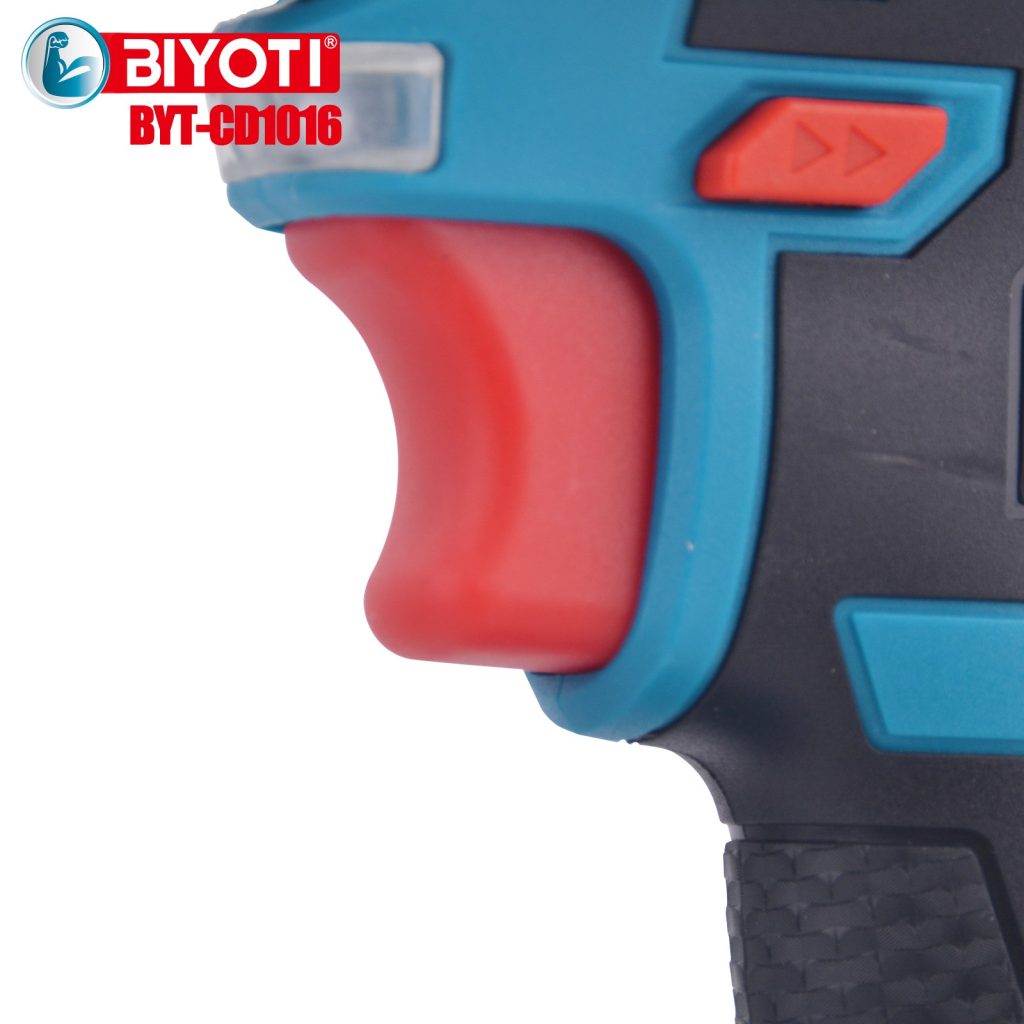
The best way to extend drill battery life is to avoid extremes. Lithium-ion packs last longer when treated gently. Temperature and charge level matter more than many people think.
Charge Before Complete Discharge
Recharge a lithium-ion pack when power drops. Aim for roughly 20–30% charge left. Running the pack until the drill stops can shorten its useful life. Use the supplied or approved charger only. Take the pack off the charger when charging finishes. Do not leave it connected for days.
A battery that just drilled hardwood, steel, or brick may feel warm. Let it return to room temperature before charging. A cold pack taken from a vehicle should also warm up naturally first. Charging a hot or freezing pack stresses the cells. That stress adds up over months.
Store the Battery Correctly
For lithium-ion battery storage longer than one month, remove the pack from the tool. Leave it near 50–60% charge. Keep it in a cool, dry place. Avoid direct sun, heaters, and freezing conditions. Check the pack every few months. Add a partial charge if the level has dropped too low.
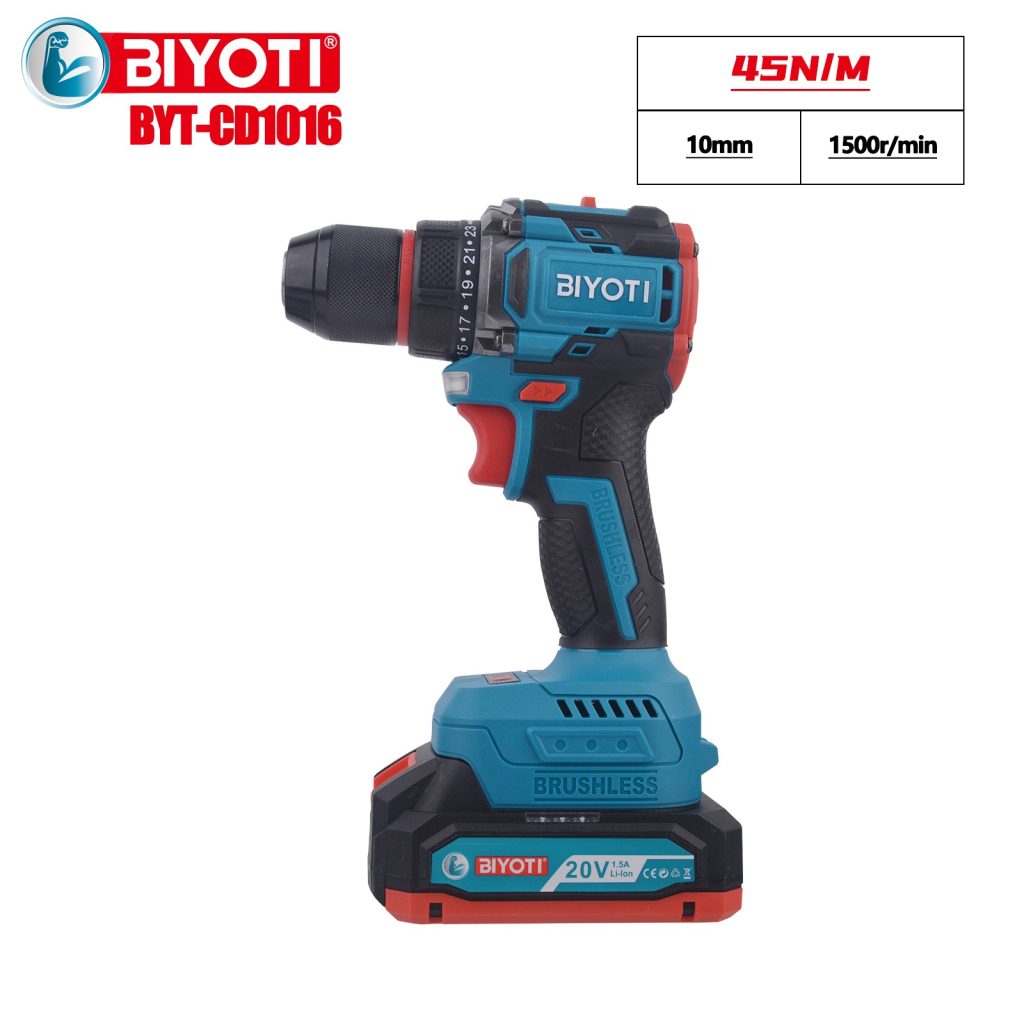
The BYT-CD1016 / CD1016C uses a 20V lithium-ion platform with a brushless motor. Sensible charging and temperature control help the system give steady power. That power supports assembly work, repair jobs, and medium-duty installation tasks. Good storage habits mean the battery is ready when you need it.
Many crews leave packs in trucks overnight. Cold weather drains them faster and can harm the cells. Bringing batteries inside overnight is a simple habit that pays off. Heat is just as bad. Never leave a pack on a dashboard in summer sun.
How to Clean a Cordless Drill
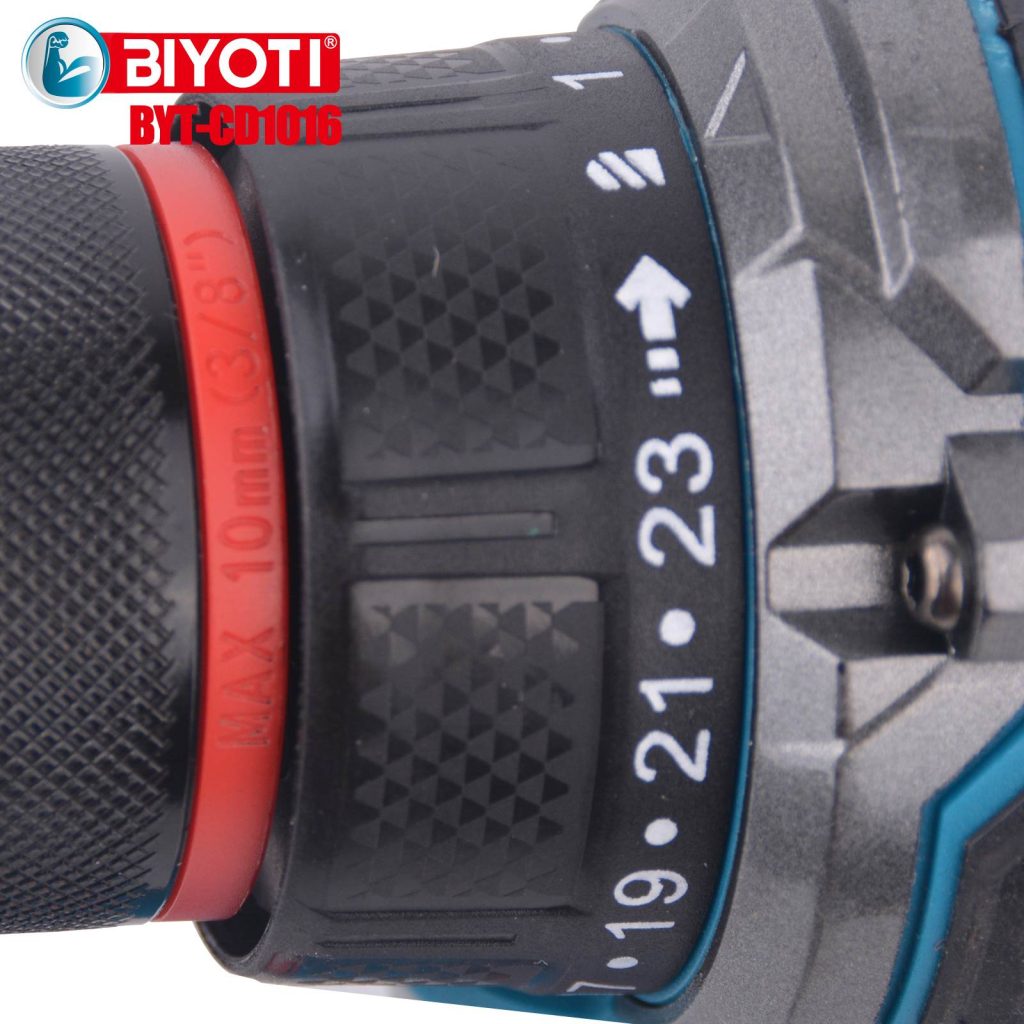
A five-minute clean after dusty work is easier than fixing weak performance later. Dirt builds up in seams and vents. Once it hardens, cleaning takes longer.
Post-Job Cleaning Steps
Remove the battery first. Wipe the housing and handle with a dry, lint-free cloth. Use a soft brush or low-pressure compressed air to clear the vents, seams, trigger area, and chuck. Open the chuck fully and take out trapped chips. Wipe the battery contacts with a clean, dry cloth.
Do not wash the tool. Do not spray solvent into the vents. Water and harsh cleaners can damage seals and electronics. Stick to dry methods for everyday care.
Follow this cordless drill maintenance checklist:
- Remove the battery before cleaning or changing bits.
- Clear vents after wood, drywall, or masonry work.
- Check the chuck jaws for chips, rust, and uneven movement.
- Inspect visible housing screws for looseness.
- Keep drill and driver bits clean and sharp.
These steps take only a few minutes. They keep the tool ready for the next job. Crews that clean at the end of each shift notice fewer performance drops. Home users who drill only on weekends still benefit from a quick wipe after each project.
Cordless Drill Chuck Maintenance
A dirty or loose chuck causes bit slip and vibration. Fit the bit in the center and tighten it firmly. If the chuck becomes stiff, place one small drop of light machine oil on its moving parts. Open and close it several times. Then wipe away any excess oil.
The BYT-CD1016 / CD1016C has a 10 mm chuck for common drilling and driving tasks. Routine chuck care helps transfer its 45 N·m torque cleanly. Less force is wasted. Workpieces stay free of damage from a spinning bit.
Chips and fine dust often hide inside the chuck jaws. They cause uneven grip. Opening the chuck fully after dusty jobs lets you see and clear those bits. A stiff chuck also makes bit changes slower. A drop of oil restores smooth action without making the jaws oily enough to slip.
Prevent Cordless Drill Overheating
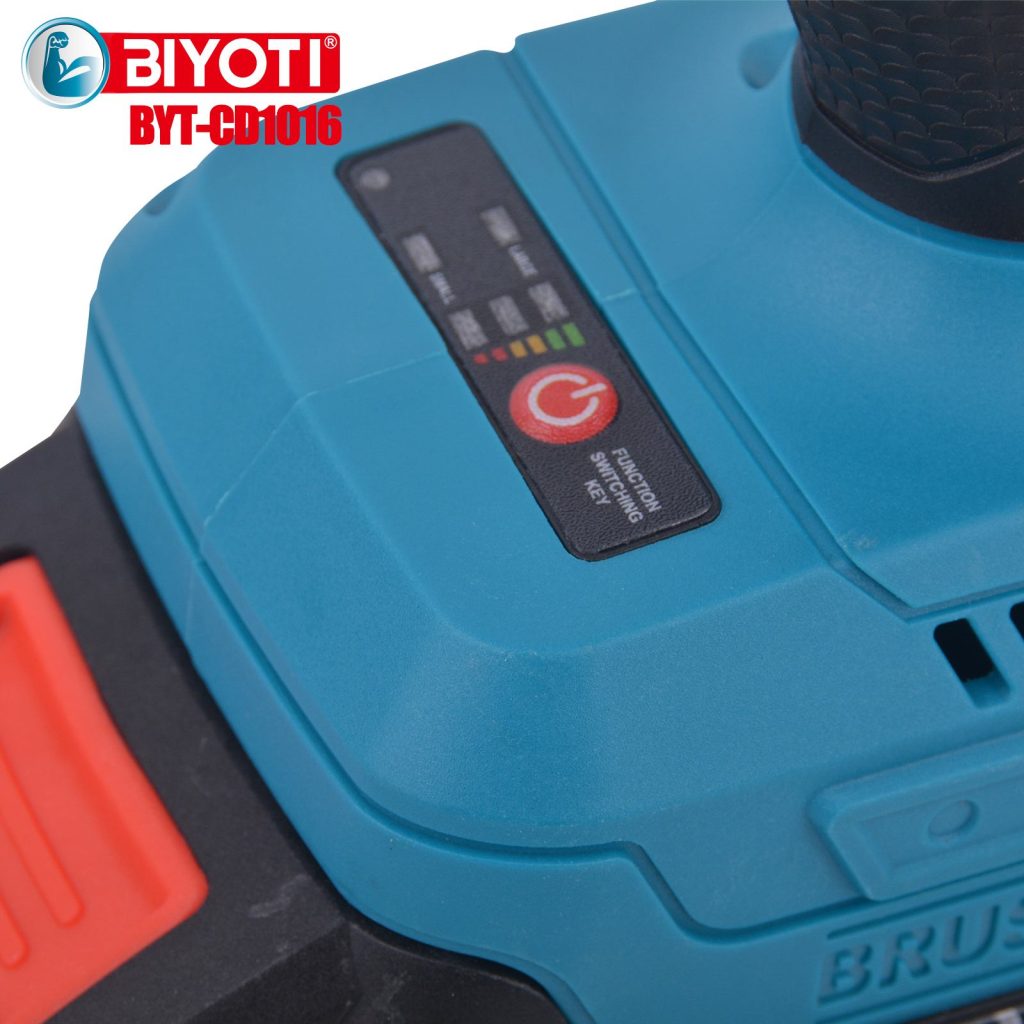
Good power tool maintenance also happens during use. How you run the drill affects heat and wear as much as how you store it.
Match the Setting to the Job
Use lower speed and controlled torque for screws. Use a suitable drilling speed for clean chip removal. Select impact mode only for materials that need it. Impact operation adds vibration. Leave it off for ordinary screwdriving.
Real jobs show the difference. A cabinet installer needs low-speed control for small screws. A technician drilling a steel bracket needs a sharp metal bit and steady pressure. Brick work calls for the correct masonry bit and impact mode. Extra body weight on the drill does not help and can cause overheating.
Avoid side-loading the bit. Do not force a stalled tool. Do not run repeated high-load cycles without a cooling break. A brushless motor still needs airflow. The vents must stay open while the tool works.
The BYT-CD1016 / CD1016C combines screwdriving, standard drilling, and impact drilling. Its impact rate reaches up to 21,600 IPM. Choosing the right bit and mode lets users apply that capability without extra heat or wear. Matching the setting to the material keeps both the motor and the battery cooler.
A Practical Maintenance Schedule
A schedule makes brushless drill maintenance easier. It turns good habits into routine. You do not have to guess when to clean or check.
| Interval | Task | Check for |
| After use | Wipe housing, clear vents, remove battery | Dust, heat, loose bit |
| Weekly | Clean chuck and battery contacts | Slipping, debris, corrosion |
| Monthly | Check screws, trigger, rotation, and charger | Damage, vibration, erratic speed |
| Before storage | Clean tool; charge battery to 50–60% | Moisture, low charge, swelling |
Stop using a swollen, cracked, leaking, unusually hot, or foul-smelling battery. Do not open it. Use an appropriate recycling route instead. Lasting runtime loss may signal that the pack needs replacement.
For the BYT-CD1016 / CD1016C, protect the 20V pack. Keep vents open. Inspect the 10 mm chuck. Store the tool dry. These steps give predictable performance day after day.
Many teams post a simple checklist near the tool rack. It reminds everyone to wipe the drill and remove the battery before putting it away. That small step prevents most overnight moisture problems and keeps contacts clean.
BYT-CD1016 / CD1016C at a Glance
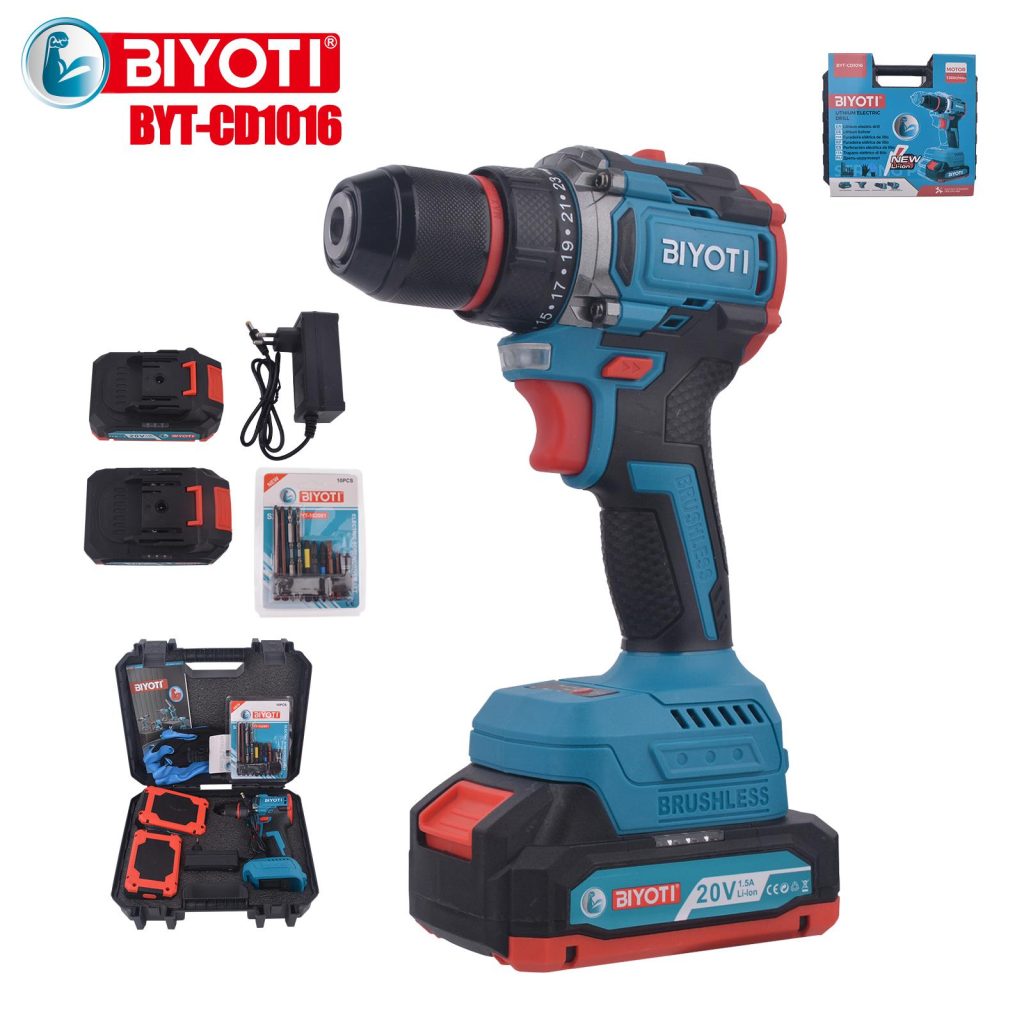
The BYT-CD1016 / CD1016C is a 20V lithium-ion cordless drill with a brushless motor. It provides 45 N·m maximum torque, 1,500 r/min, and 0–21,600 IPM. Three functions cover screwdriving, drilling, and impact drilling. Its base-mounted battery allows the tool to stand upright. The slim handle supports repeated work without hand fatigue.
For contractors, distributors, and maintenance teams, the BYT-CD1016 / CD1016C offers compact output and simple upkeep. It suits assembly work, appliance repair, workshop drilling, and medium-duty installation. When users follow basic care habits, the tool delivers steady results across many tasks.
The brushless design already reduces some wear compared with brushed motors. Yet vents still need to stay clear. The chuck still needs occasional attention. The battery still benefits from proper charging and storage. Care and design work together.
Yongkang Jiakai Industry and Trade Co., Ltd.
Yongkang Jiakai Industry and Trade Co., Ltd. is a power tool manufacturer and a BIYOTI supplier based in Yongkang, Zhejiang. It manufactures various types of power tools such as electric drills, angle grinders, levels, etc. for overseas clients. The company provides procurement assistance, dealer partnership, technical support, and consultation services.
Being a BYT-CD1016 / CD1016C supplier, the company may be consulted on product features, quotations, and requirements. The combination of the 20V platform, brushless motor drive, 45 N·m torque, and the ability to perform three different tasks makes it a real-life option for routine use.
Conclusion
Cordless drill maintenance is about timing. Recharge before deep discharge. Cool the battery before charging. Clean vents and contacts regularly. Check the chuck. Use sharp bits. Avoid damp or extreme storage. These habits protect runtime, speed, grip, and safety.
The BYT-CD1016 / CD1016C pairs consistent care with a 20V platform, brushless motor, 45 N·m torque, 1,500 r/min, and impact capability. Buyers may request specifications and quotation details from the supplier. Simple daily habits keep the tool working the way it was designed to work.
FAQs
How often should I clean a cordless drill?
Wipe it after each use. Clear the vents after dusty work. Clean the chuck and battery contacts weekly when the drill is used regularly. A quick wipe prevents most heat and grip problems.
What is the best way to charge a drill battery?
Use the approved charger. Recharge before complete discharge. Let a hot or cold battery reach room temperature before charging. Remove the pack once charging finishes. These steps protect cell health.
How should I store a lithium drill battery long term?
Remove it from the tool. Leave it around 50–60% charged. Store it in a cool, dry place. Check the charge every few months and top it up if needed. Avoid heat, cold, and moisture.