- Introduction to Power Drills
- Understanding Different Types of Power Drills
- Cordless Drills
- Corded Drills
- Hammer Drills
- Impact Drills
- Key Features of a Good Power Drill
- Power and Voltage
- Battery Life (for Cordless Drills)
- Chuck Size
- Speed Settings
- Ergonomics and Comfort
- Assessing Build Quality and Durability
- Checking for Essential Accessories and Add-ons
- Brand Reputation and Customer Reviews
- Cost Considerations
- Trying Before Buying
- Warranty and After-Sales Support
- User Safety Features
- Compatibility with Accessories and Attachments
- Environmental Impact and Sustainability
- Maintenance and Care Tips
- Comparing Different Models and Brands
- Conclusion: Making the Right Choice
How to Judge Whether a Power Drill Is Good or Not?
If you’re in the market for a power drill, you know how overwhelming it can be to choose the right one. With countless options available, each boasting different features and specifications, determining whether a power drill is good or not requires careful consideration. Whether you’re a DIY enthusiast, a professional contractor, or someone in between, selecting the right power drill can make a significant difference in your projects’ outcomes. Here’s a comprehensive guide on how to judge whether a power drill is worth your investment.
1. Introduction to Power Drills
Before delving into the specifics, let’s briefly discuss what power drills are and why they’re indispensable tools for various tasks. Power drills are versatile handheld tools designed to drill holes and drive screws efficiently. They come in different types, each tailored to suit specific applications and user preferences.
2. Understanding Different Types of Power Drills
Not all power drills are created equal. Understanding the different types available in the market can help you narrow down your options and choose the most suitable one for your needs.
Cordless Drills
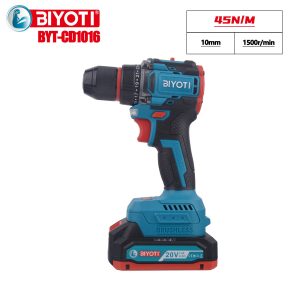
Cordless drills, also known as battery-powered drills, offer unparalleled convenience and mobility. They rely on rechargeable batteries, allowing users to work in locations without access to power outlets. However, their runtime and power output may vary depending on the battery’s capacity and voltage.
Corded Drills
Corded drills, on the other hand, draw power directly from an electrical outlet via a cord. While they provide consistent power output, they’re limited by the length of the cord and require access to a power source.
Hammer Drills
Hammer drills are specialized tools equipped with a hammering function, ideal for drilling into hard materials like concrete, stone, and masonry. They deliver rapid, short hammer thrusts to facilitate drilling in tough surfaces.
Impact Drills
Impact drills, often referred to as impact drivers, are designed for driving screws and fasteners with ease. They deliver rotational and concussive forces simultaneously, making them efficient for driving screws into dense materials without stripping or camming out.
3. Key Features of a Good Power Drill
When evaluating the quality of a power drill, certain features should be prioritized to ensure optimal performance and user satisfaction.
Power and Voltage
The power output of a drill is typically measured in watts or volts. Higher voltage ratings generally indicate greater power and torque, allowing the drill to handle tougher materials and larger fasteners.
Battery Life (for Cordless Drills)
For cordless drills, battery life is a critical consideration. Opt for drills with long-lasting lithium-ion batteries that offer extended runtime and faster charging capabilities.
Chuck Size
The chuck size determines the maximum diameter of drill bits or accessories that the drill can accommodate. Choose a drill with a versatile chuck size to accommodate various drilling and fastening tasks.
Speed Settings
Variable speed settings enable users to adjust the drilling speed according to the material being drilled and the desired precision. Look for drills with multiple speed settings for enhanced versatility.
Ergonomics and Comfort
A good power drill should feel comfortable in hand, with ergonomic features such as rubberized grips and balanced weight distribution to reduce fatigue during prolonged use.
4. Assessing Build Quality and Durability
The build quality of a power drill directly impacts its performance and longevity. Inspect the materials used, construction techniques, and overall durability to ensure that the drill can withstand regular use and demanding conditions.
5. Checking for Essential Accessories and Add-ons
Consider whether the drill comes with essential accessories and add-ons, such as drill bits, screwdriver bits, and carrying cases. Investing in a comprehensive kit can save you time and money in the long run.
6. Brand Reputation and Customer Reviews
Research the brand reputation and read customer reviews to gauge the reliability and satisfaction levels of previous buyers. Reputable brands with positive feedback are more likely to deliver high-quality products and excellent customer support.
7. Cost Considerations
While price shouldn’t be the sole determining factor, it’s essential to consider your budget and the value proposition offered by the drill. Compare prices across different brands and models to find the best balance between affordability and quality.
8. Trying Before Buying
Whenever possible, try out the drill before making a purchase to assess its performance, comfort, and suitability for your specific needs. Visit hardware stores or attend trade shows to test out different models hands-on.
9. Warranty and After-Sales Support
A robust warranty and reliable after-sales support are crucial factors to consider when buying a power drill. Look for drills backed by generous warranties and responsive customer service teams to address any issues or concerns.
10. User Safety Features
Ensure that the drill is equipped with essential safety features, such as overload protection, anti-kickback mechanisms, and ergonomic handles, to minimize the risk of accidents and injuries during operation.
11. Compatibility with Accessories and Attachments
Check whether the drill is compatible with a wide range of accessories and attachments, allowing you to customize and expand its functionality as needed for different projects.
12. Environmental Impact and Sustainability
Consider the environmental impact of the drill’s manufacturing process, materials used, and energy consumption. Choose eco-friendly options whenever possible to minimize your carbon footprint.
13. Maintenance and Care Tips
Proper maintenance and care are essential to prolonging the lifespan of your power drill and ensuring consistent performance. Follow manufacturer guidelines for cleaning, lubrication, and storage to prevent premature wear and damage.
14. Comparing Different Models and Brands
Take the time to compare different models and brands based on your specific requirements, preferences, and budget constraints. Create a checklist of essential features and prioritize accordingly to make an informed decision.
15. Conclusion: Making the Right Choice
In conclusion, judging whether a power drill is good or not requires thorough research, consideration of key features, and evaluation of user feedback. By prioritizing factors such as power, build quality, ergonomics, and brand reputation, you can confidently select a power drill that meets your needs and exceeds your expectations.
FAQs (Frequently Asked Questions)
- What is the difference between a cordless drill and a corded drill?
- Cordless drills rely on rechargeable batteries for power and offer greater mobility, while corded drills draw power from electrical outlets for consistent performance.
- How do I know which drill bit size to use?
- The drill bit size depends on the diameter of the hole you need to drill and the material you’re drilling into. Refer to the drill bit size chart provided by the manufacturer for guidance.
- Are brushless drills worth the investment?
- Brushless drills offer several advantages, including longer runtime, increased power efficiency, and reduced maintenance requirements, making them a worthwhile investment for many users.
- What safety precautions should I follow when using a power drill?
- Always wear appropriate safety gear, such as safety glasses and ear protection, and ensure that the drill is securely fastened before operation. Avoid wearing loose clothing or jewelry that could get caught in the drill.
- How can I prolong the battery life of my cordless drill?
- To extend the battery life of your cordless drill, avoid fully discharging the battery before recharging, store it in a cool, dry place when not in use, and refrain from exposing it to extreme temperatures or moisture.